Escape Fall Allergies in Durango: Why Mountain Air Can Mean Fewer Sneezes
If you dread fall because of itchy eyes, congestion, and a scratchy throat, fall allergies in Durango may be a pleasant surprise. At about 6,500 feet, Durango’s high-elevation air is often easier on allergy sufferers than the air at lower elevations, and many people notice the difference within a day or two of arriving.
As physician hosts at Fresh Air Clear Mind Vacations, we love sharing why mountain air tends to be gentler, and how to get the most out of it.
Why Mountain Air Is Often Easier on Allergies
Several things work in your favor at elevation:
- Less pollen. Cooler temperatures, shorter growing seasons, and thinner vegetation generally mean lower pollen counts than in lush, low-lying regions. Ragweed, the best-known fall trigger, struggles at higher elevations.
- An early end to the season. Fall weed pollen stops once a hard frost arrives, and frost comes earlier in the mountains than it does in the lowlands. Many guests find that fall allergy season is simply shorter here.
- Fewer dust mites. Dust mites thrive in warm, humid air and have a hard time in dry, high-elevation climates. Dust mites are one of the most common year-round triggers, and elevation has long been studied for this reason in people with allergies and asthma.
- Less mold. Mold needs moisture. Durango’s low humidity and sunny days make for a drier environment than in many humid regions of the country.
- Cleaner air. Fewer cars, less industry, and open space mean less airborne pollution to irritate already-sensitive airways.
What This Means for Your Trip
Many travelers from humid parts of the country, where fall ragweed, mold, and dust mites can last for months, find that being here feels like a reset. Breathing is easier, and mornings feel crisp and clear. Combine that with golden aspens, quiet trails, and a soak in the hot tub afterward, and fall in Durango is hard to beat.
A Few Honest Caveats
Mountain air helps, but it isn’t a cure, and we’d rather set expectations correctly:
- It isn’t allergen-free. Some grasses, weeds, and junipers produce pollen in the Four Corners region, and individual triggers vary from person to person.
- Smoke can matter. In some dry seasons, wildfire smoke affects air quality. If you have asthma or other lung conditions, check the air quality forecast before and during your trip.
- Keep your usual medications with you. If you take allergy medications or carry a rescue inhaler, bring them. It’s easier to have them and not need them.
- See a doctor if something is wrong. Wheezing, chest tightness, or shortness of breath that doesn’t settle with rest or your usual inhaler needs prompt medical attention, especially at altitude. Swelling of the lips, tongue, or face, or hives with trouble breathing, is an emergency, so call 911.
Simple Habits That Make It Even Better
- Rinse off after hiking. Change clothes and wash your face when you come in so pollen doesn’t end up on your pillow.
- Stay hydrated. Mountain air is dry. Drinking plenty of water, and using a saline nasal spray if your nose feels dry, helps keep airways comfortable.
- Open the windows on clear mornings. Fresh air is part of the point.
Plan Your Fall Getaway
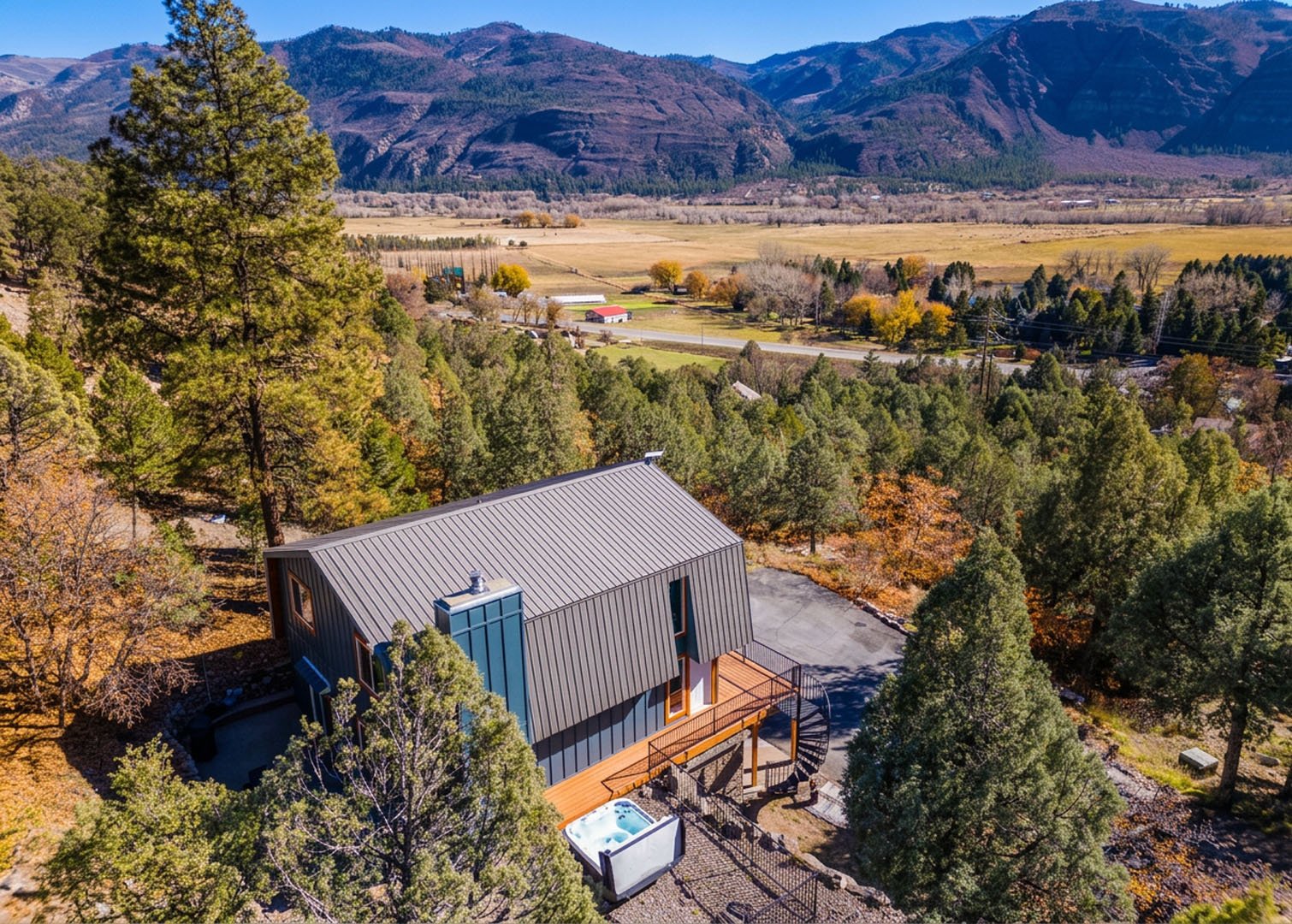
If fall allergies have kept you indoors in the past, Durango might be the change of scenery you need. Our homes offer mountain views, hot tubs, and a quiet place to breathe a little easier.
This post is general wellness information, not personal medical advice. If you have allergies, asthma, or other health conditions, check with your own healthcare provider before traveling.
Howdy, freshairclearmind@gmail.com

Prescribed by the Docs.