
Rider Fatigue & Hydration: What Every Motorcyclist Should Know Before Riding Into Durango
If you’re rolling into Durango for the Four Corners Motorcycle Rally — or any long ride through the San Juan Mountains — your body is working harder than it feels like it is. Between the altitude, the sun, and hours in the saddle, dehydration and fatigue creep up faster here than they would on a flat highway ride back home.
As physicians who split our time between Dallas and Durango, we see the difference altitude and elevation gain make firsthand. Here’s what’s actually happening to your body on a long ride, and how to stay ahead of it.
Why Riding at Altitude Hits Different
Durango sits around 6,500 feet — and many of the passes and backroads riders love (Million Dollar Highway, Coal Bank Pass, Molas Pass) climb well above 10,000 feet. At that elevation:
- You lose water faster than you realize. Drier mountain air pulls moisture from your breath and skin with every exhale — long before you’d normally feel thirsty at sea level.
- Your body works harder for the same effort. Lower oxygen levels mean your heart and lungs are doing more work just to keep you comfortable, even sitting on a bike.
- Sun exposure is more intense. Higher elevation means less atmosphere filtering UV rays — sunburn and heat stress build up faster than expected, even on a cool-feeling day.
Signs of Rider Fatigue Worth Paying Attention To
A full day in the saddle is its own kind of physical stress. Watch for:
- Unusual heaviness in your arms or difficulty holding a steady line
- Headache that doesn’t ease up with water
- Irritability or trouble concentrating — often one of the earliest signs, and one riders dismiss most easily
- Muscle cramping, especially in the legs or forearms
- Feeling “off” in a way that’s hard to describe — trust that instinct
None of these mean something is seriously wrong. They mean your body is asking for a break, water, and shade — and it’s worth listening before pushing through another hour.
Practical Hydration Tips for a Long Rally Day
- Start hydrated before you ever start the bike. Catching up on water mid-ride is much harder than starting ahead.
- Drink on a schedule, not just when thirsty. By the time you feel thirsty at altitude, you’re already behind.
- Add electrolytes, not just water, especially on hot, high-mileage days — plain water alone doesn’t replace what you lose through sweat.
- Take real breaks, not just gas stops. A few minutes in shade, off the bike, resetting matters more than people expect.
- Go easier on alcohol than you would at home. Altitude amplifies its effects, and it works against the hydration you’re trying to maintain.
When It’s More Than Just Fatigue
Occasional lightheadedness or a mild headache adjusting to elevation is common and usually resolves with rest and fluids. But chest tightness, real shortness of breath at rest, confusion, or fainting are not “just the altitude talking” — those warrant medical attention, not a wait-and-see approach.
A Quiet Place to Recover
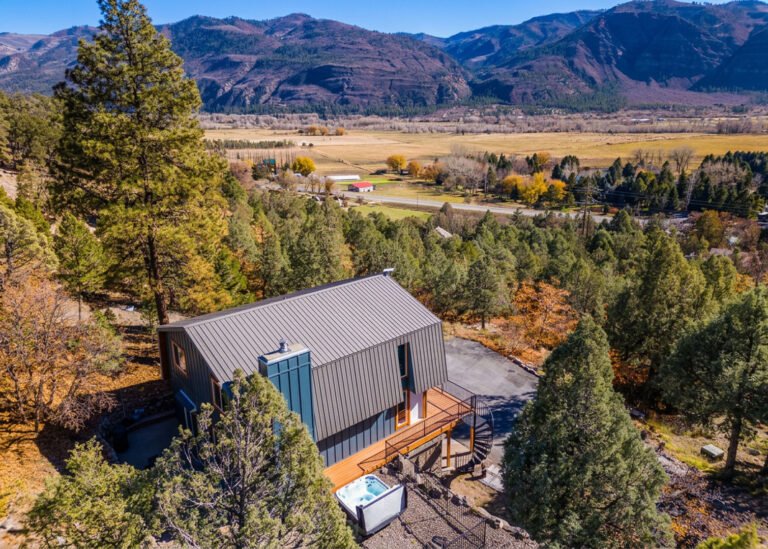
Part of why riders love ending a rally day outside of downtown is simple: a quiet place to actually rest matters. Elevation and a long day catch up with everyone eventually — cooler mountain nights and a real break from the noise go a long way toward feeling human again before the next day’s ride.
— Prescribed by the Docs